Category: Uncategorized
Zamalek’s History
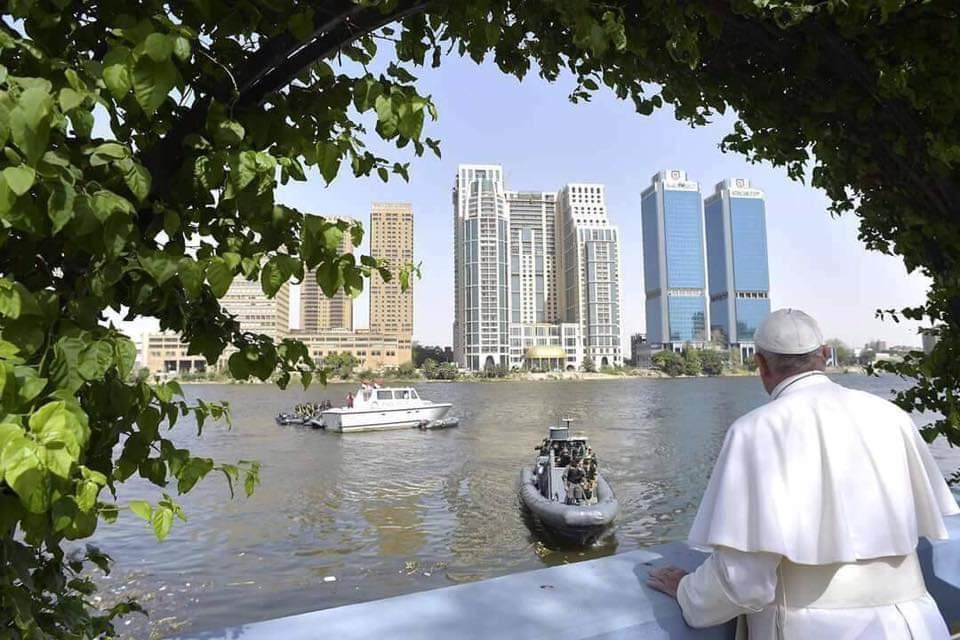
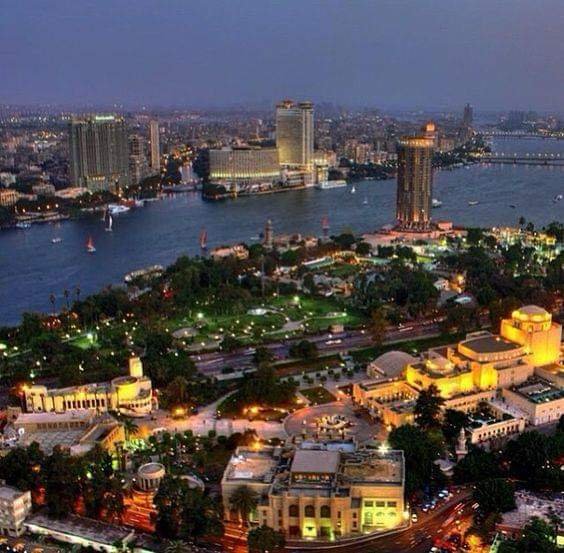
Prior to the usage of the 20th century vernacular ‘Zamalek’, al-Gezira (Arabic for island and also spelt Guezirah, Gezireh or Gezirah) was the most common appellative used when denoting the island, especially after the construction in 1866 of the khedive’s Gezira Palace (today Marriott Hotel). Hitherto, the island was simply known as Geziret Bulakor Bulak Island, in reference to the thriving 18th and 19th century fluvial port of Bulak situated on the Nile’s eastern bank. Romantics like to believe the name Bulak itself is the corruption of Beau Lac, yet to this day no one was able to come up with corroborating evidence. Likewise, as though to make a geographic and sometimes social distinction, old timers still refer to the area south of 26 of July as ‘Gezira’ with Zamalek denoting the rest of the island to the north.
The name Zamalek itself was borrowed off a nearby Giza hamlet called al-Zamalek situated south west of Embaba town. Different interpretations of ‘Zamalek’ have come up over the years. The most common legend is that Zamalek is the plural of Zemlek, a loose Albanian term meaning a village made up of primitive huts built from straw or reeds. The original huts located on the island were allegedly living quarters to either military conscripts or servants attached to palaces and sarays belonging to wealthy merchants living in the then superior district of Bulak (also spelt Boulaq, Boulac, Boulak).
Another less creditable claim to the word’s origin is that ‘Zamalek’ is a corruption of the Arabic expression word zou-molk meaning ‘he who owns assets.’
Up until 1900, the only thing on the island sporting the appellation Zamalek was a small iron bridge linking Gezira island’s midsection to the then-empty fertile expanse of Giza with the pastoral hamlet of Zamalek within view. In 1913, the still nascent street bisecting Gezira’s waist was straightforwardly called Avenue Zamalek. Linking the island’s eastern and western Nile crossings the street very quickly became the island’s qasaba or commercial lifeline, with a Cairo-Pyramids tramway line running through it. Over time Avenue Zamalek changed its name to Avenue Fouad before becoming 26th of July Street after 1952.
A GARDEN ISLAND
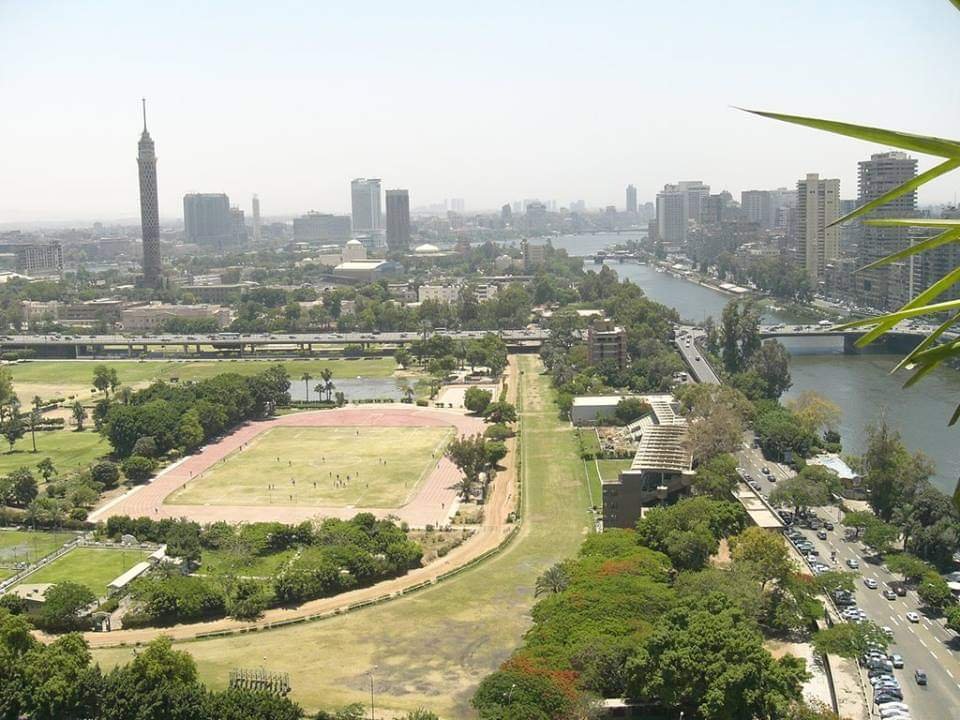
But was that chunk of land always an island? Not so, if one were to consult old Cairo maps drawn up in 1873 by geographer Mahmoud Falaki Pasha. They evidence that Gezira Island was once united to the mainland of Giza. The situation changed however between August and October of each year, when, during high flood, three islands appeared, the largest one situated in the middle. Hence, the name Gezira al-Wosta, or middle island used today as a name for a prominent Zamalek Street.
Due the construction of embankments south of the island in the mid 1800s, heavy silt and mud movement eventually merged the three islands into one. Similarly, when a channel was burrowed on its western flank that the bobbing landmass became a bona fide island and a very fertile one at that.
In his letter to the secretary of state dated 15 September 1873 American Consul R. Beardsley describes how “The island of Guezirah is rapidly being transformed into a beautiful public park and giant nursery. It will soon be home to the new museum presently under consideration.”
While the museum never materialized, the island was for several decades a large garden, as recorded in plans meticulously laid out by khedivial court landscaper Gustave Delchevalerie.
For a detailed description of the Gezira Palace Gardens one needs to consult Les Promenades et les Jardins du Caire (1899), the valuable notes written by Delchevalerie on the subject. As the title suggests, Khedive Ismail’s chief landscaper was responsible for several vice-regal and public gardens as well as major boulevards. Concerning the island of Gezira he recounts how over one million exotic species were planted on 600 acres in what amounted to a gigantic experimental nursery. This was subdivided into large square-shaped sections for different categories of plants: fruits (citrus and tropical), ornament, woods, windbreakers, vegetables etc.
But that’s not all that was on the island. According to Delchevalerie it was also the temporary home to 75 different species of animals and 150 species of birds. These were relocated to the Giza Palace following Khedive Ismail’s abdication.
It appears however that part of island fell on hard times following the exile of Khedive Ismail. In his book Souvenirs published in 1935, former state administrator Gallini Fahmy Pasha recounts how in 1900, the state domains on the Gezira side of Kasr al-Nil bridge were squatted upon by brigands pausing as farmers.
Zamalek VS Ahly in skating match

UAE vs Saudi Arabia
Today at 15:45 UAE will face Saudi Arabia in a unique friendly match in which each new coach wants to examine his new players & check abilities of his Team.

The Journey Begins
Thanks for joining me!
Good company in a journey makes the way seem shorter. — Izaak Walton

 Sportawy